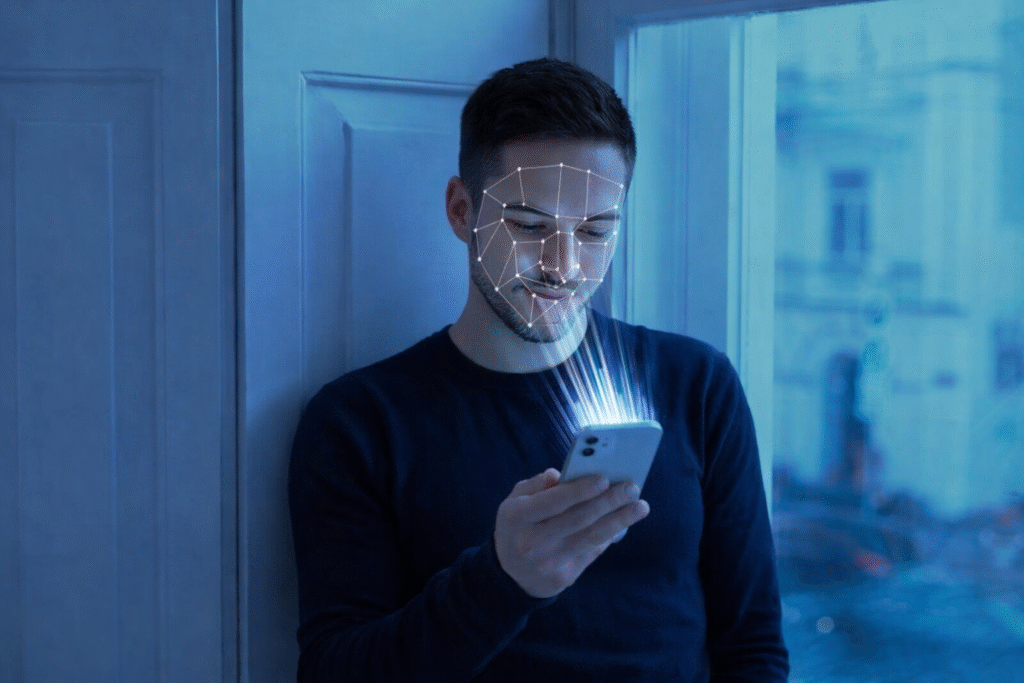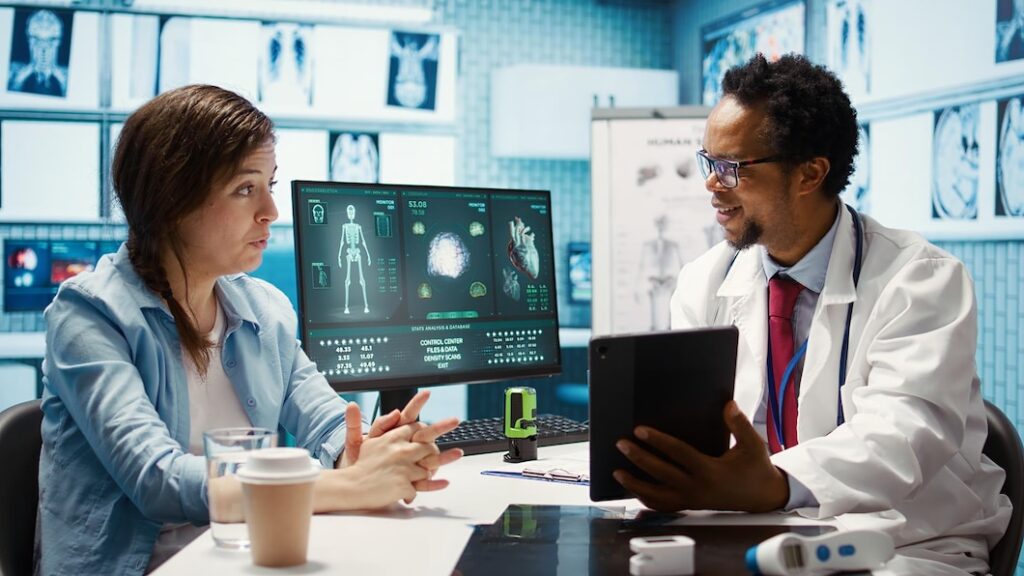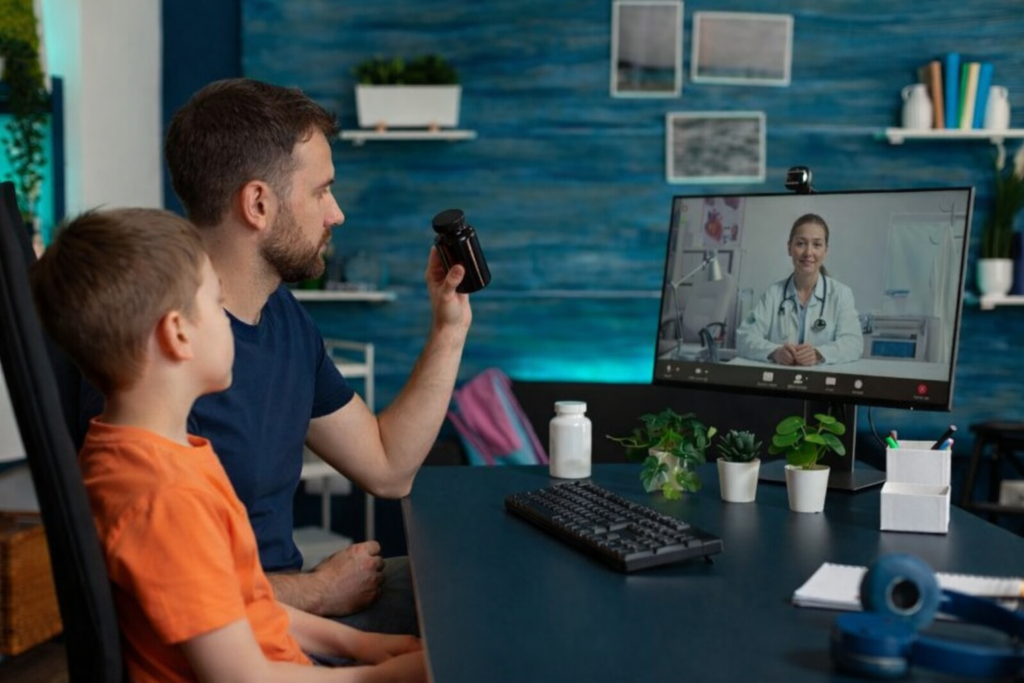
Recent innovation across digital health shows telehealth moving well beyond one-off video appointments into hybrid care ecosystems that blend virtual access, in-person follow-up, AI-guided support, and culturally matched providers. Health systems are increasingly designing connected behavioral and men’s health pathways, where digital touchpoints handle access and continuity while human care is applied where it matters most.
Alongside this system-level shift, men’s telehealth platforms such as Motivated are gaining attention for addressing high-avoidance, high-stigma conditions—like erectile dysfunction and sexual performance—entirely online. These platforms remove friction at the exact points where men historically disengage.
The result is not just convenience, but a different relationship to care.
Why This Matters for Men
For many men, barriers to care are not clinical—they are contextual:
- privacy concerns
- time constraints
- social stigma
- uncertainty about where to start
Telehealth neutralizes these barriers by allowing men to engage:
- privately
- asynchronously
- without public visibility
- from environments where they feel in control
From a MENTECH perspective, this matters because men regulate better when autonomy is preserved. When the system adapts to the individual—rather than demanding the individual adapt to the system—engagement increases.
From Isolated Visits to Integrated Care Journeys
The most important evolution is that telehealth is no longer a standalone service. New hybrid models:
- connect virtual visits to in-person diagnostics when needed
- integrate AI-guided triage and follow-up
- support continuity across mental, physical, and sexual health
This reduces the “start–stop” pattern that causes men to disengage. Instead of repeated entry points, care becomes directional and cumulative.
For men, this translates into fewer decisions, less explanation, and clearer next steps.
A Conscious Shift: Care on Men’s Terms
Telehealth succeeds with men not because it is digital, but because it is non-intrusive.
It allows men to:
- seek help without identity threat
- address sensitive issues without exposure
- act early without dramatizing symptoms
This reframes care as self-management and responsibility, not vulnerability or failure. When health aligns with competence and discretion, participation becomes easier to sustain.
Benefits of Expanded Telehealth Models
For men
- Greater access regardless of location or schedule
- Reduced stigma and psychological friction
- Faster initiation of care for sensitive issues
- Seamless movement between conditions and services
For health systems
- Increased engagement among under-served male populations
- Earlier intervention and reduced escalation
- Better continuity through integrated digital records
- More efficient use of in-person clinical resources
When access improves, outcomes follow.
MENTECH Context: Engagement Follows Design
MENTECH interprets the telehealth expansion as confirmation that design determines participation. Men are not avoiding care—they are avoiding systems that feel invasive, slow, or misaligned with how they live.
Hybrid telehealth platforms succeed because they:
- respect privacy
- reduce friction
- maintain continuity
- integrate care rather than fragment it
This creates a stable feedback loop between awareness, action, and follow-through.
Why This Trend Will Continue
As healthcare demand rises and clinician availability tightens, hybrid telehealth models offer a scalable path forward. For men’s health in particular, they address long-standing gaps by meeting men where they already are, rather than where systems expect them to be.
The future of men’s care will not be built solely in clinics.
It will be built through adaptive, discreet, and integrated digital pathways that make engagement the path of least resistance.
Reference
- Healthcare 2026: The Trends That Will Redefine Care Delivery
TeleMed2U, 2026
https://www.telemed2u.com/blog-news/healthcare-2026-the-trends-that-will-redefine-care-delivery
Read about: Personalized Screening, Early Detection & AI Diagnostics